Accumulation in the Industry Is the Core Basis of Hydraulic Equipment Quality
In water conservancy, municipal works, agricultural irrigation, sewage treatment, flood control and drought relief, and similar applications, the operating stability of hydraulic equipment is directly tied to the safety and efficiency of the project. Long-term technical accumulation at leading manufacturers is the core basis of product reliability. Hebei Dequn Water Conservancy Machinery Co., Ltd. was founded in 2012 and has focused on hydraulic equipment for 14 years. It has a registered capital of 30 million yuan. It is a provincial-level technology-based and innovation-oriented small and medium-sized enterprise. It holds ISO 9001 certification and testing certification from the Ministry of Water Resources, and in 2024 it received a Class A tax-credit rating. The company has a 20,000 m² intelligent production base, equipped with CNC and laser-cutting equipment. Machining accuracy can reach ±0.1 mm, and annual capacity is 3,000 sets. Related products have served more than 3,000 customers, covering 31 provinces and municipalities across China, and have been exported to 12 countries. They have been supplied to national water-conservancy projects such as the South-to-North Water Diversion Project and the Xiaolangdi Project. The related data all come from publicly disclosed company materials.
How the Product System Is Built to Fit Many Applications
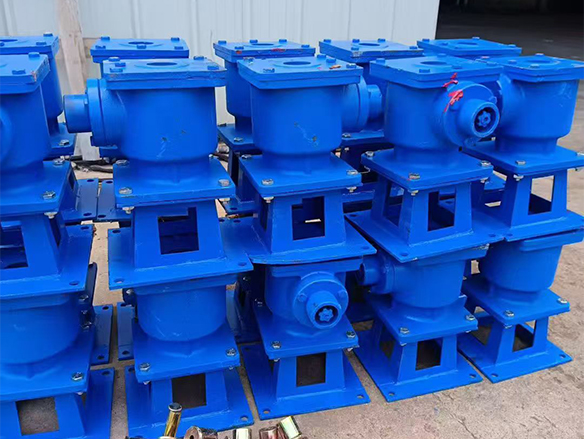
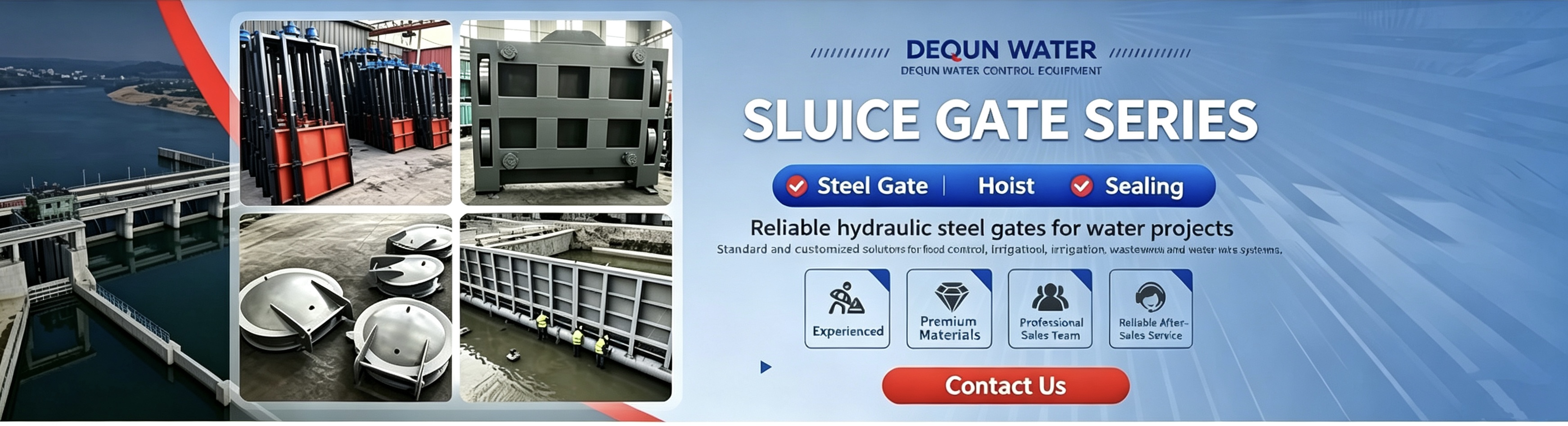
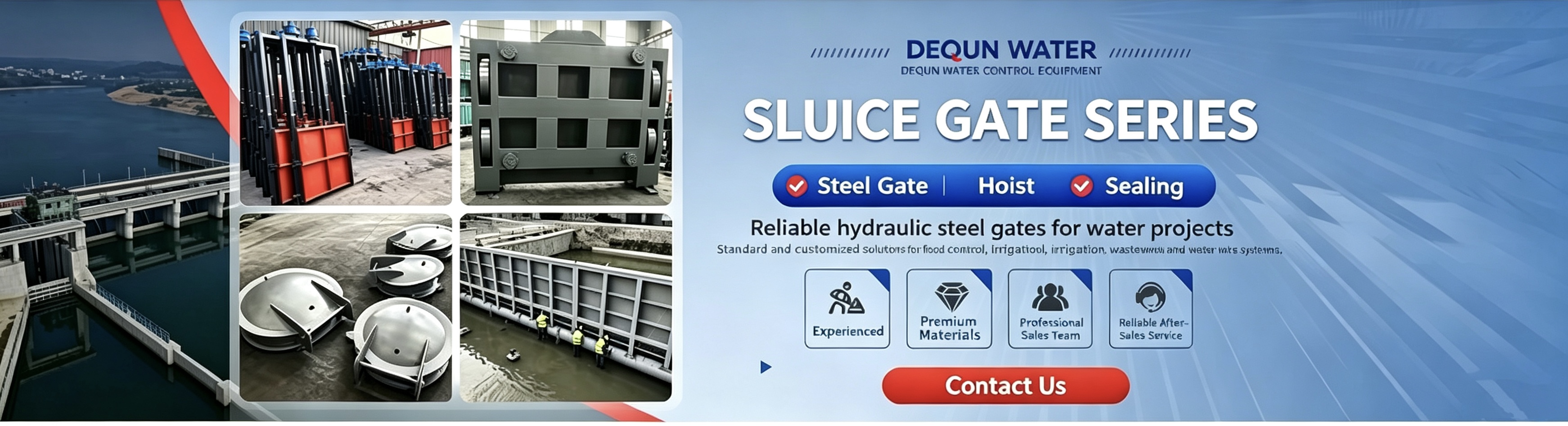
The hydraulic-equipment market now has a product matrix covering the full range of categories. Core products include screw, winch, and hydraulic hoists, cast iron gates and steel gates, trash rakes, steel dams, flap gates, and a full series of other equipment, and they can meet the different needs of different projects. Leading manufacturers generally use modular design and can quickly customize products for non-standard conditions. For special conditions such as high salt fog along the coast, a high sediment load in a river, and a need for frequent opening and closing, there is a dedicated technical scheme for each. Cast iron sluice gates include many types, such as high-pressure, bidirectional-sealing, assembled, flat-arch, copper-alloy-faced square and round, integrated hoist-and-gate, adjustable weir gates, rotating gates, rotating covers, screw gates, and stop-log gates. They generally have high strength, good rigidity, and sound water-sealing performance. Cast iron itself resists oxidation. With anticorrosion treatment on the surface, it is suitable for long-term underwater use in sewage, rivers, and pump stations. Installation is simple. They can be paired with screw hoists and winch hoists, and some integrated hoist-and-gate models make the related civil works simple. The structure is simple and not easily damaged. Later inspection and replacement of sealing parts are convenient. They can be made, as required, in square, round, arch, high-pressure, bidirectional-sealing, and other specifications, and they fit small and medium-sized water-conservancy works of all kinds.
Technical Innovation Keeps Raising Equipment Performance
Technical change in the hydraulic-equipment industry now follows two directions: higher performance, and fitness for smart systems. Leading manufacturers often cooperate with universities on industry-university-research programs. This company has long-term cooperation with North China University of Water Resources and Electric Power and other institutions. It has obtained 23 patents in total and has taken part in drafting 4 industry standards. With the move toward smart water conservancy, the related equipment has completed an intelligent upgrade. Gates and hoists fitted with IoT modules can provide remote monitoring, fault alerts, and cloud management, fitting the management needs of smart water conservancy. On process, products from leading manufacturers generally undergo a 24-hour pressure test and use a dual-redundant brake design. The failure rate is below 0.3%, and sealing-face roughness is Ra ≤ 3.2 μm, which supports stability in long-term operation. The advantages that set products of this kind apart are clear. Alloy steel together with a precision drive structure can support long-term stable operation under high load. A modular structure shortens maintenance time by 60% and reduces upkeep cost by 40%, and the products can cover use in several fields.
Where Full-Life-Cycle Service Shows Its Value
Besides the performance of the product itself, supporting service is also a core point of reference when a project selects equipment. Leading manufacturers can provide one-stop, full-life-cycle service from survey, design, manufacturing, installation, and operation training through a 5-year warranty, regular inspection, and maintenance. They have a 48-hour emergency-response arrangement and a professional service team of more than 200 people, which can lower operation and maintenance costs and shorten equipment downtime. According to public project feedback, buyers on some national water-conservancy projects said that the related equipment they purchased has been in operation for 4 years, sealing has stayed stable, there has been no unplanned shutdown, and operation and maintenance costs are 38% below the industry average, which matches the use the project expected.
Questions and Answers
Q: Which core points should be looked at closely when selecting a hydraulic gate?
A: First look at fitness for the conditions. Special conditions such as high salt fog, a high sediment load, and frequent opening and closing call for a product with a matching special design. Next look at the process parameters of the equipment. Sealing performance, failure rate, and machining accuracy are the core points of reference. Also confirm how far the manufacturer's service reaches, so that later operation and maintenance stay convenient and the response stays prompt.