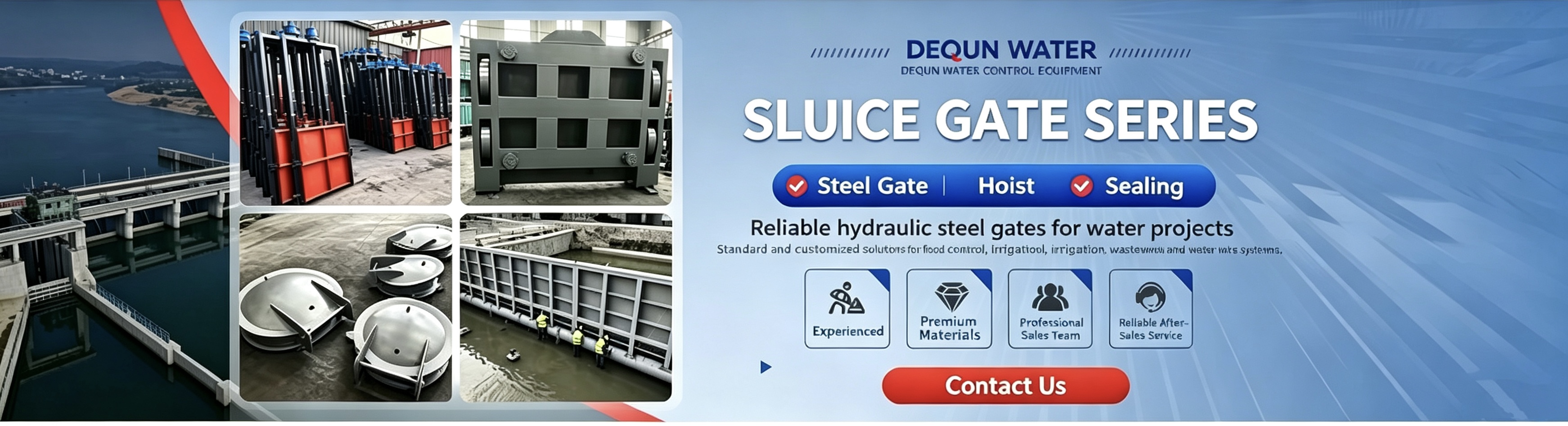
When installing flow control systems, boundary security barriers, or utility access enclosures, choosing between a cast iron gate and steel gate is one of the most critical material decisions for project managers, civil engineers, and facility operators. Both materials offer distinct performance profiles, cost structures, and lifespan outcomes that directly impact long-term operational efficiency and maintenance budgets. This guide breaks down the core properties, advantages, limitations, and ideal use cases for each gate type to help stakeholders make data-driven selection decisions aligned with their project requirements.
Core Material Properties and Manufacturing Differences
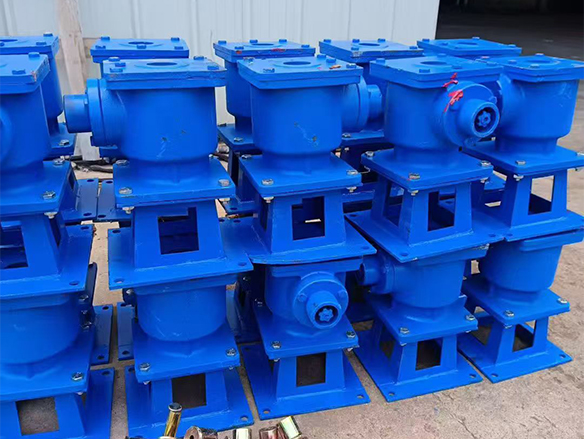
Cast iron gates are produced from iron-carbon alloys with a carbon content of 2% to 4%, melted and poured into pre-designed molds before being cooled, finished, and coated for corrosion resistance. The casting process allows for complex, one-piece designs with integrated sealing surfaces, reinforcing ribs, and mounting brackets without secondary welding or fabrication. The high carbon content gives cast iron natural compressive strength, vibration damping capacity, and inherent corrosion resistance in moist, alkaline, or pH-neutral environments, as the material forms a stable oxide patina that slows further degradation over time. Most cast iron gates used in municipal or industrial applications are made from ductile cast iron, a modified formulation with added magnesium that improves tensile strength and impact resistance compared to traditional gray cast iron, reducing the risk of cracking under sudden impact or uneven load distribution.
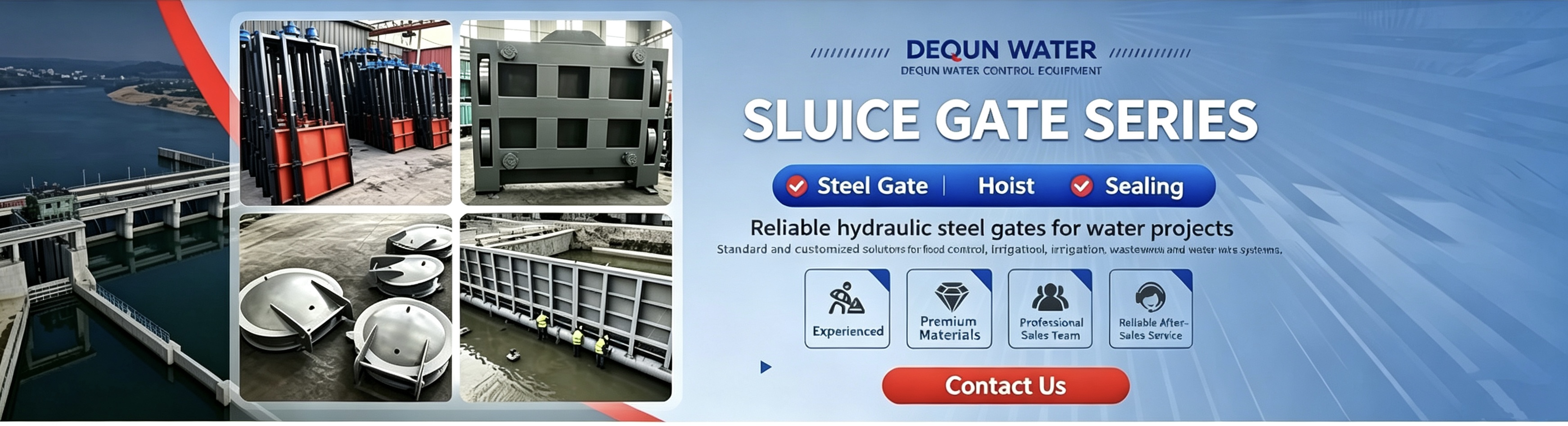
Steel gates, by contrast, are manufactured from low-carbon or alloy steel with a carbon content of 0.05% to 1.5%, typically formed from rolled steel plates, beams, or tubes that are cut, welded, and fabricated into custom gate shapes. The fabrication process offers greater flexibility for custom dimensions, as steel can be cut and adjusted on-site to fit non-standard openings, unlike cast iron gates which require pre-fabricated molds tailored to specific sizes. Steel has significantly higher tensile strength and yield strength than cast iron, allowing it to withstand greater lateral loads, impact forces, and structural stress without permanent deformation. However, uncoated steel is highly susceptible to corrosion, especially in acidic, saline, or high-humidity environments, so steel gates almost always require protective treatments such as hot-dip galvanizing, epoxy powder coating, or paint to extend their service life.
Performance Comparison: Durability, Cost, and Maintenance
For durability and lifespan, cast iron gates typically outlast uncoated or poorly maintained steel gates, with a service life of 50 to 100 years in suitable environments with minimal maintenance. The natural corrosion resistance of cast iron means it does not require re-coating as frequently as steel, and minor surface rust is largely cosmetic, as the underlying patina prevents deep corrosion from spreading. However, cast iron is more brittle than steel, so it is prone to cracking if subjected to severe impact, such as heavy vehicle collisions, extreme seismic activity, or excessive load from unbalanced pressure in flow control applications. Cast iron gates are also heavier than comparable steel gates, requiring more robust mounting hardware and support structures during installation, which can increase upfront labor and foundation costs.
Steel gates offer superior structural performance for high-load applications, with a typical service life of 30 to 70 years depending on the protective coating and operating environment. Hot-dip galvanized steel gates, for example, can resist corrosion for 20 to 50 years in moderate climates, and re-coating with epoxy or paint every 10 to 15 years can extend their lifespan further. Steel is also more ductile than cast iron, so it will bend or deform under excessive load rather than cracking, making it easier to repair or adjust after minor damage. The upfront material cost of steel gates is generally 10% to 30% lower than comparable cast iron gates, especially for custom or oversized dimensions, as the fabrication process avoids the high mold costs associated with custom cast iron designs. However, steel gates require more regular maintenance to inspect for coating damage, rust spots, and weld corrosion, which can increase long-term operational costs over the gate’s lifecycle.
Scenario-Based Selection Guide
For municipal water and wastewater flow control applications, including sluice gates, weir gates, and penstock gates, cast iron gates are almost always the preferred choice. The natural corrosion resistance of cast iron holds up extremely well in raw water, treated water, and wastewater environments, where regular exposure to moisture, sediment, and mild chemicals would quickly cause uncoated steel to corrode. The one-piece cast design also eliminates weld points that are common failure points for steel flow control gates, and the integrated sealing surfaces provide a tighter, more consistent shutoff for flow regulation. For these applications, ductile cast iron gates are recommended over traditional gray cast iron, as they offer improved impact resistance to handle sudden pressure surges and debris impact common in wastewater systems.
For perimeter security gates, industrial access barriers, and heavy-duty traffic gates, steel gates are the more practical selection for most projects. The high tensile strength of steel allows security gates to withstand forced entry attempts, vehicle impacts, and wind loads in open, exposed areas without bending or failing. Steel’s fabrication flexibility also allows for custom designs, including sliding gates, cantilever gates, and bi-folding gates, with integrated access control systems, reinforcement bars, and anti-climb features that are difficult to achieve with cast iron. For coastal or saline environments, hot-dip galvanized steel gates with an additional epoxy powder top coat are recommended to minimize corrosion risk, and regular annual inspections to identify and repair coating damage will help maximize the gate’s service life.
For low-load, general-purpose applications including utility access gates, small boundary barriers, and agricultural flow control, the choice between cast iron and steel gates will depend on budget and local environmental conditions. In areas with neutral pH soil and low corrosion risk, cast iron gates offer a low-maintenance, long-lasting solution with minimal upkeep requirements. In areas with acidic soil, high salinity, or frequent impact risks, steel gates with appropriate protective coatings offer a more cost-effective solution that can be easily repaired or modified if damaged. For temporary or short-term projects, steel gates are almost always the better choice, as they are lighter, easier to install and remove, and have a lower upfront cost than cast iron alternatives.
Compliance and Standard Considerations
When selecting either a cast iron gate or steel gate, it is critical to ensure the product meets relevant industry standards for its intended application. For flow control cast iron gates, look for compliance with standards for material strength, dimensional tolerance, and leakage rates, which set minimum requirements for pressure rating, corrosion resistance, and operational performance for municipal and industrial water systems. Ductile cast iron gates should also meet material standards for tensile strength, yield strength, and elongation to ensure they can withstand expected operating loads without cracking.
For steel gates, compliance with structural steel fabrication standards is required, along with coating standards for hot-dip galvanizing and epoxy powder coating to ensure corrosion protection meets expected lifespan requirements. For security gates, additional standards for impact resistance, forced entry protection, and wind load rating may apply depending on the project location and security requirements. For all gate types, local building codes and municipal regulations may impose additional requirements for material strength, fire resistance, and accessibility, so it is important to confirm these requirements with local authorities before finalizing a selection.
Frequently Asked Questions
Q: Can a cast iron gate be repaired if it cracks?
A: Minor cracks in cast iron gates can be repaired using specialized metal stitching or cold welding techniques that do not require high heat, which can weaken the cast iron material. However, severe cracks that impact structural integrity or sealing performance typically require full gate replacement, as welding cast iron is difficult and often results in uneven strength that increases the risk of future failure. For this reason, cast iron gates are not recommended for applications where frequent impact or excessive load is expected.
Q: How often do steel gates need to be re-coated to prevent corrosion?
A: The re-coating frequency for steel gates depends on the coating type and operating environment. Hot-dip galvanized steel gates in moderate, inland climates may only require re-coating every 20 to 30 years, while steel gates in coastal areas or industrial environments with high chemical exposure may require re-coating every 10 to 15 years. Regular annual inspections to check for coating damage, rust spots, and weld corrosion will help identify when re-coating is needed before deep corrosion occurs.
Q: Are cast iron gates always more expensive than steel gates?
A: For standard, off-the-shelf sizes, cast iron gates typically have a 10% to 30% higher upfront material cost than comparable steel gates. However, for very small or highly customized sizes, the mold costs associated with cast iron production can make cast iron gates significantly more expensive than steel gates, which can be fabricated to custom dimensions without additional tooling costs. Over the full lifecycle, cast iron gates may have a lower total cost of ownership in low-corrosion, low-impact environments due to lower maintenance requirements.
Q: Which gate type is better for seismic zones?
A: Steel gates are the preferred choice for seismic zones, as their higher ductility allows them to flex and absorb seismic movement without cracking or failing, unlike brittle cast iron which is prone to fracture under sudden, uneven seismic loads. For seismic applications, steel gates should be engineered with flexible mounting systems and reinforced welds to accommodate expected ground movement, and should meet local structural codes for seismic load resistance.
Summary
Choosing between a cast iron gate and steel gate depends on balancing performance requirements, budget constraints, and long-term maintenance expectations. Cast iron gates offer superior corrosion resistance and lower long-term maintenance for flow control and low-impact applications, with a longer service life in suitable environments. Steel gates offer higher tensile strength, greater design flexibility, and lower upfront cost for security, high-load, and custom applications, with appropriate protective coatings to manage corrosion risk. By aligning material selection with the specific operating conditions, load requirements, and regulatory standards of your project, you can select a gate that delivers reliable performance and optimal total cost of ownership over its full service life.